01 · Where we started
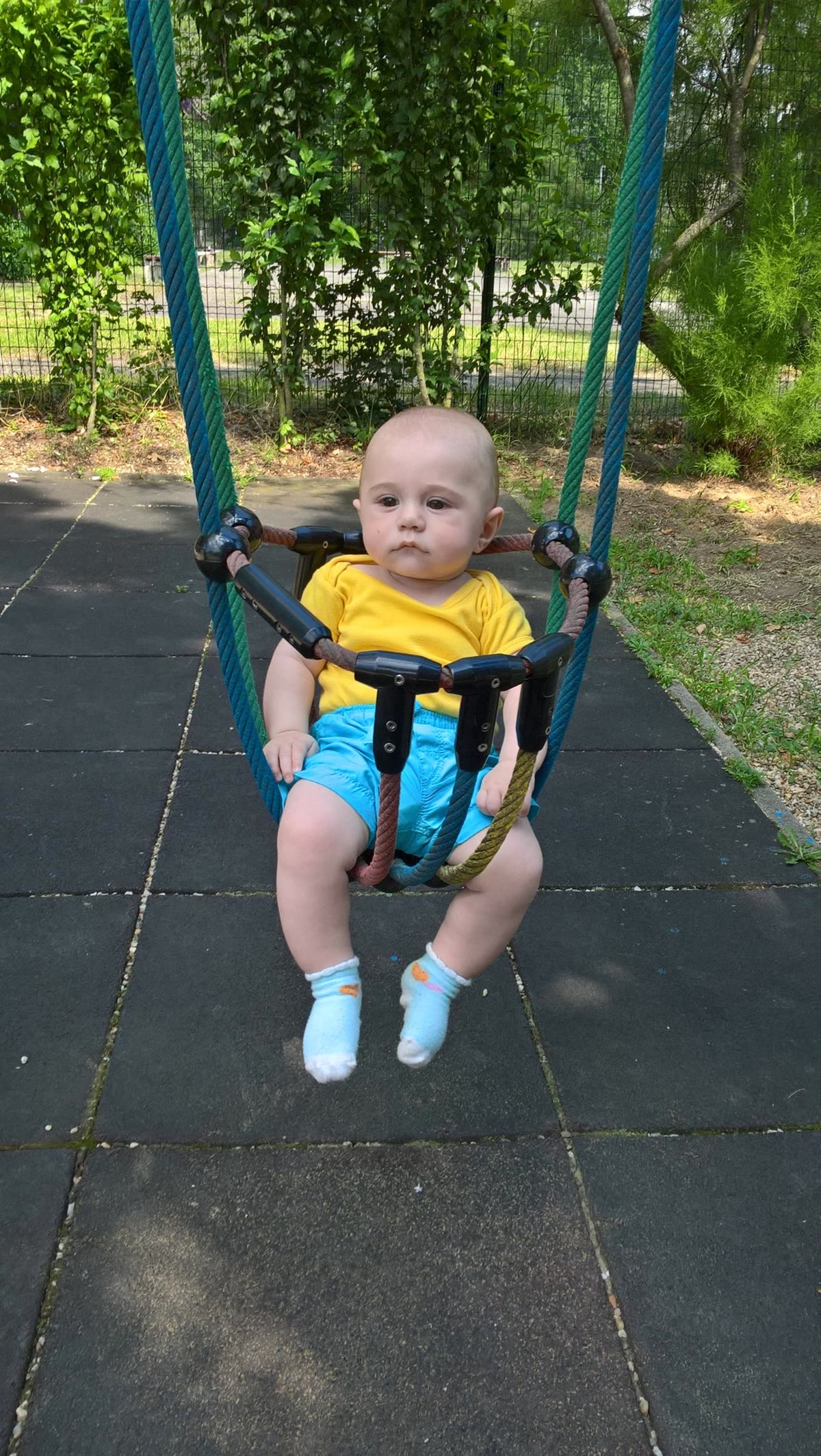
He didn’t speak
He was diagnosed at 1.5–2 years old. We took him everywhere and tried many therapies, but none brought the breakthrough for us.
For parents of autistic children
Do you want your child to communicate with words, and to know exactly what to do with them at home every day? We walked this road with our son, Simon. We’ll show you, step by step.
Sound familiar?
You take your child everywhere, long waiting lists, lots of money, and still you don’t see progress.
An hour or two of therapy a week isn’t enough. The rest of the day is yours, with no plan.
You wonder whether you’re doing it right, and whether anything will change.
We believe every child can get from their own point A to their own point B – and the parent is the most important helper on that road.
Your guide
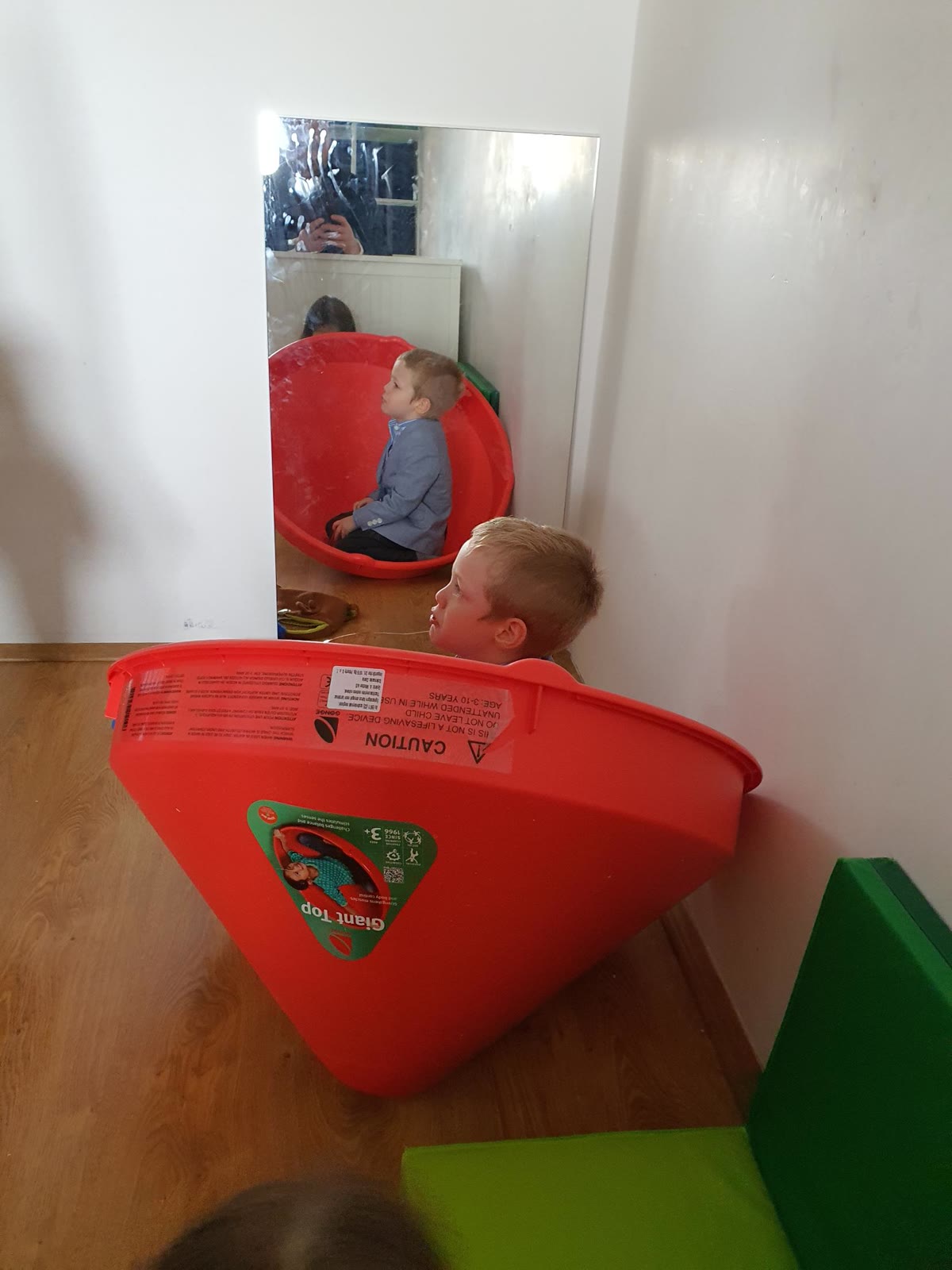
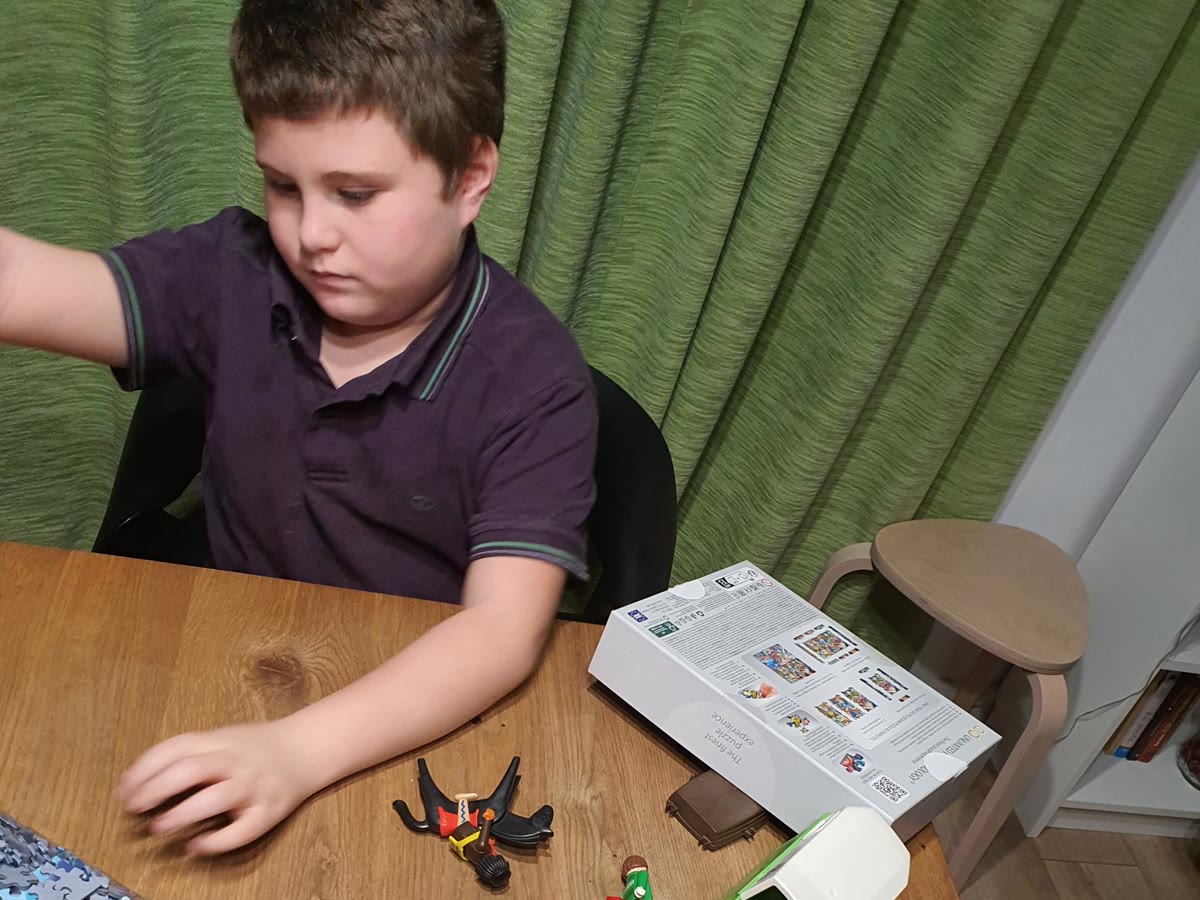
Simon was diagnosed at 1.5–2 years old and didn’t speak. We took him everywhere and tried many therapies, but none of them brought the breakthrough for us. I know what it’s like to lie awake wondering what to do differently.
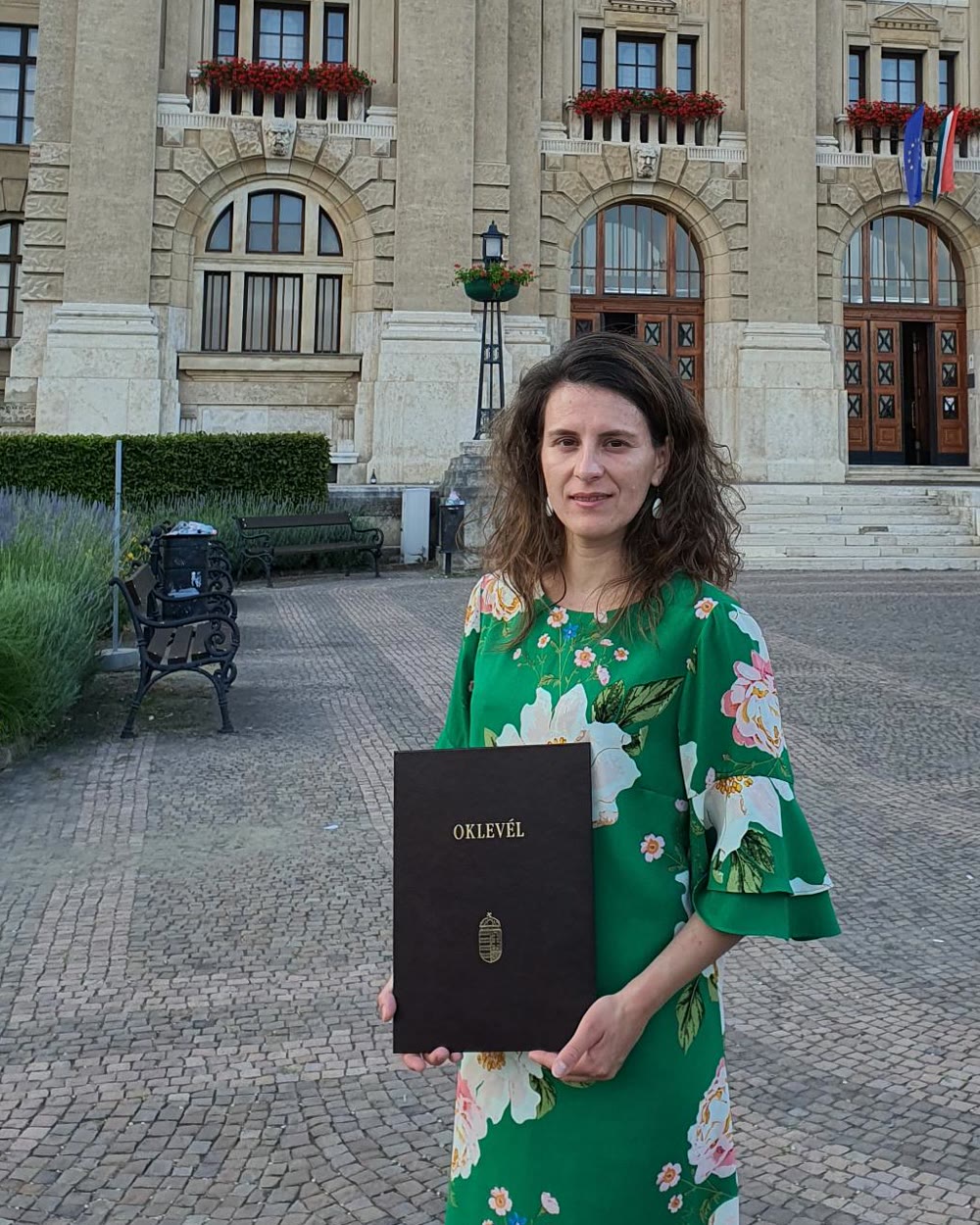
I’m a mother of four and a midwife by training. Because of Simon I completed the behaviour consultant programme at the University of Debrecen, and we started working at home – measured, every day. Today I want to pass this on to other parents.
Estimate: Simon was born in 2016; we have worked with him at home since he was 1.5–2, about 8.5 years. 8.5 years × about 250 days × about 1.5 hours ≈ 3,200 hours.
Simon’s journey

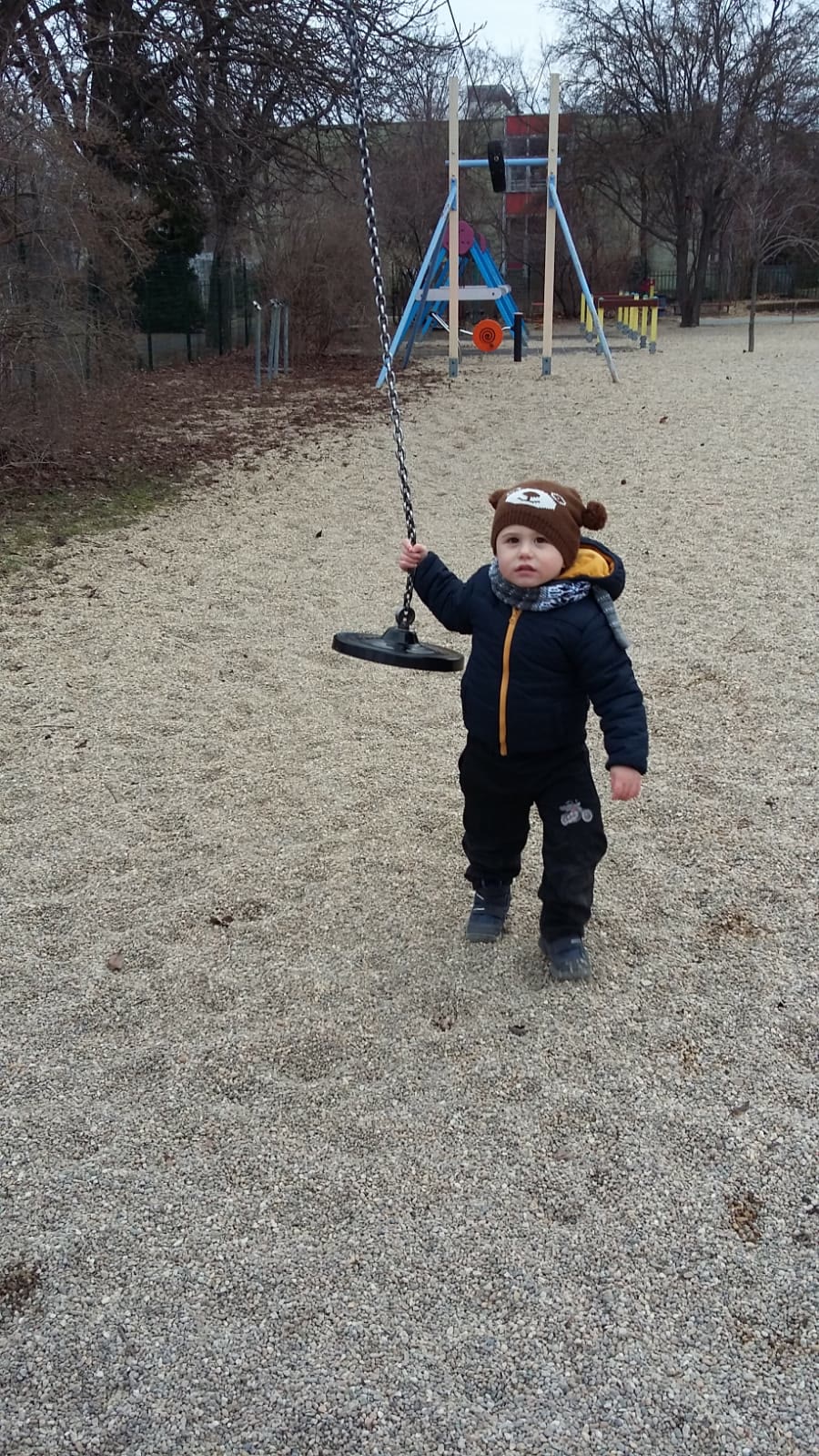
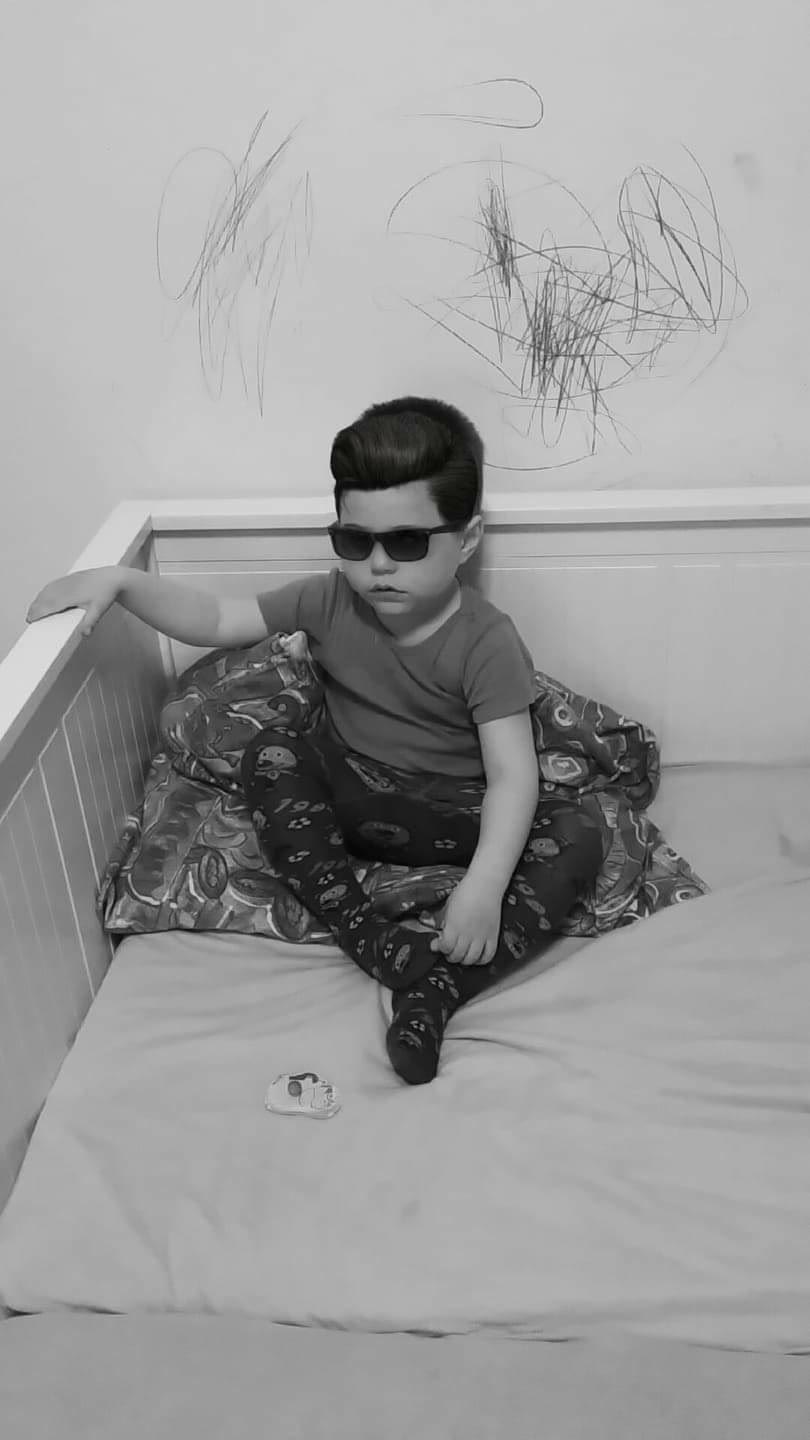
“Everyone can get from their own point A to their own point B.”
Want to get started at home too? Let’s begin with a conversation.
Free 20-minute intro callThe plan
20 minutes online, no obligation: we look at where your child is now and whether we can help.
A personal daily routine, printable tools and short videos on how to use them.
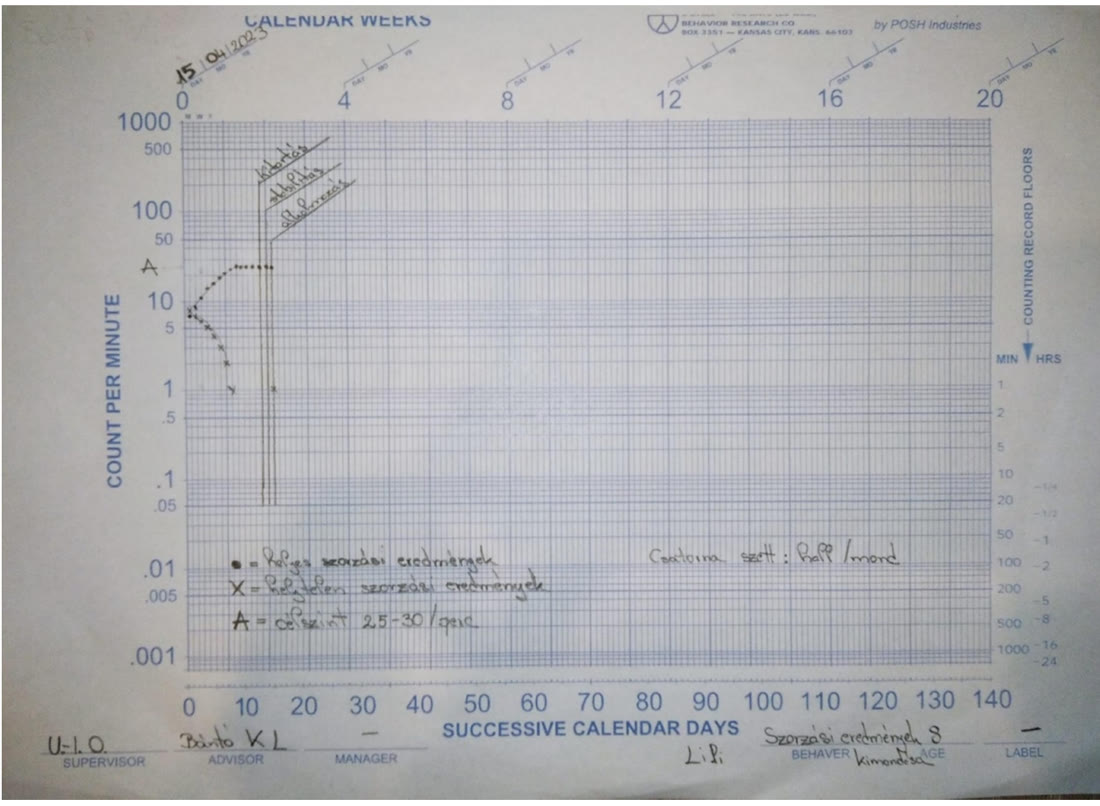
Short daily sessions and a 1-minute measurement. The chart shows you it works – and if not, we change it in time.
The method
Lídia uses Precision Teaching, which grew out of applied behaviour analysis (ABA). The core idea: if the child isn’t progressing, we change the plan, we don’t blame the child.
Something you can see and count: words said, cards matched.
Count the right and wrong answers, then practise.
One glance shows whether learning speeds up. The child sees their own progress too.
Progressing: keep going. Stuck: break it into smaller steps. Fluent: move on.
Let’s find your child’s first measurable goal together.
Free 20-minute intro callOffers
€0
€0 / 20 min online
€[XX] / 60 min online
€[XX] / 3 × 60 min
Video course and tool pack coming soon. Sign up and we’ll let you know.
Tools
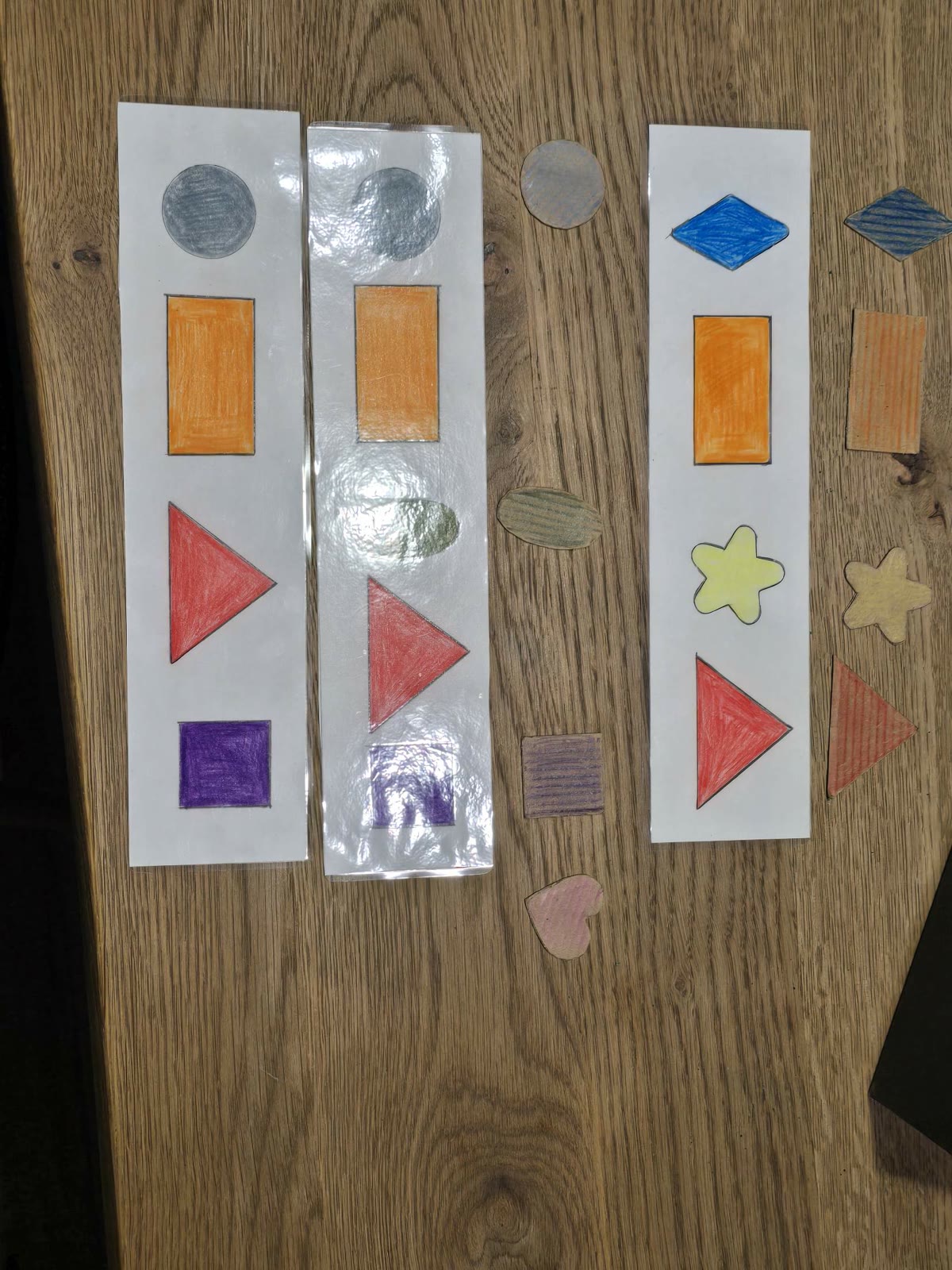
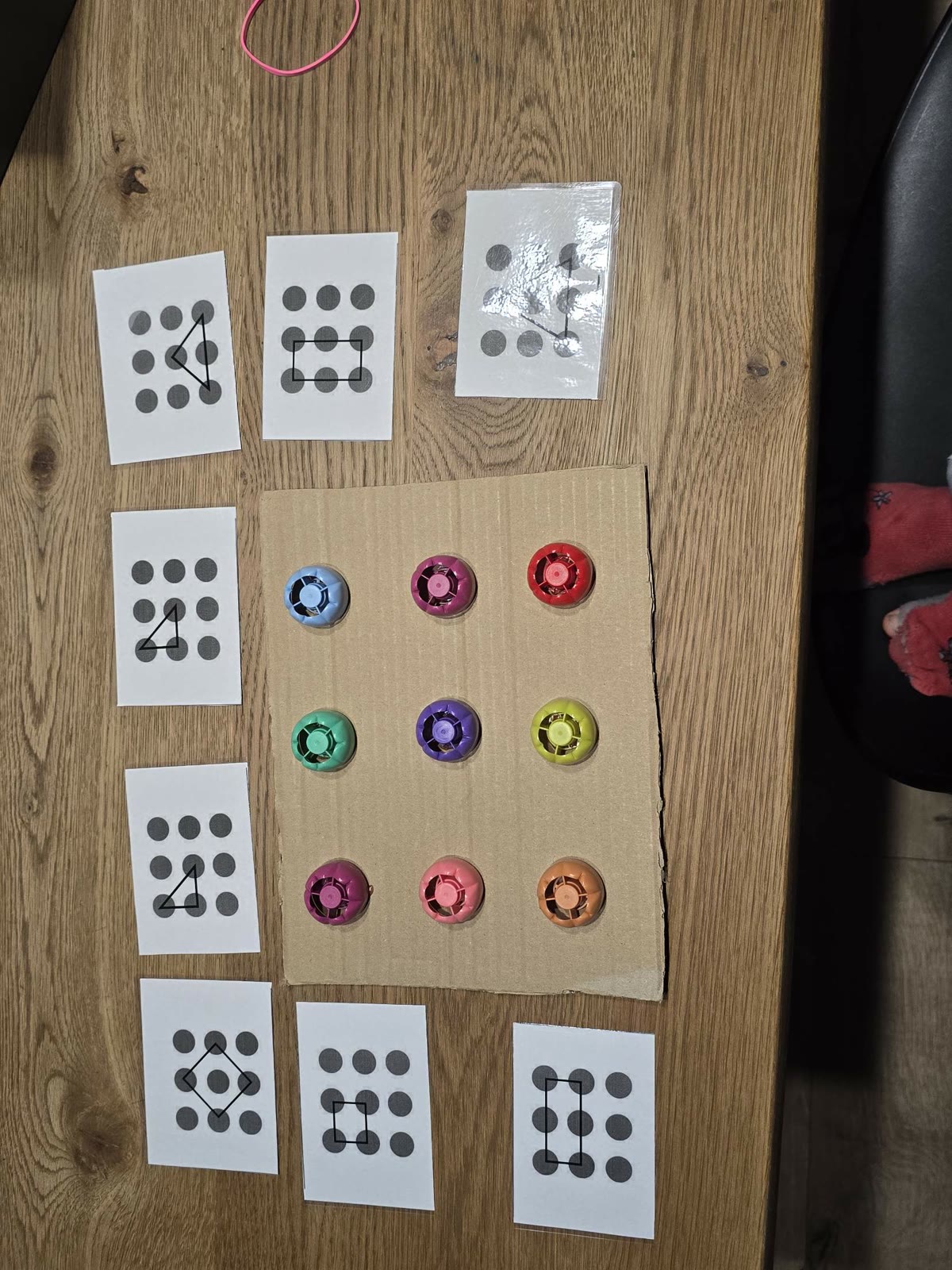
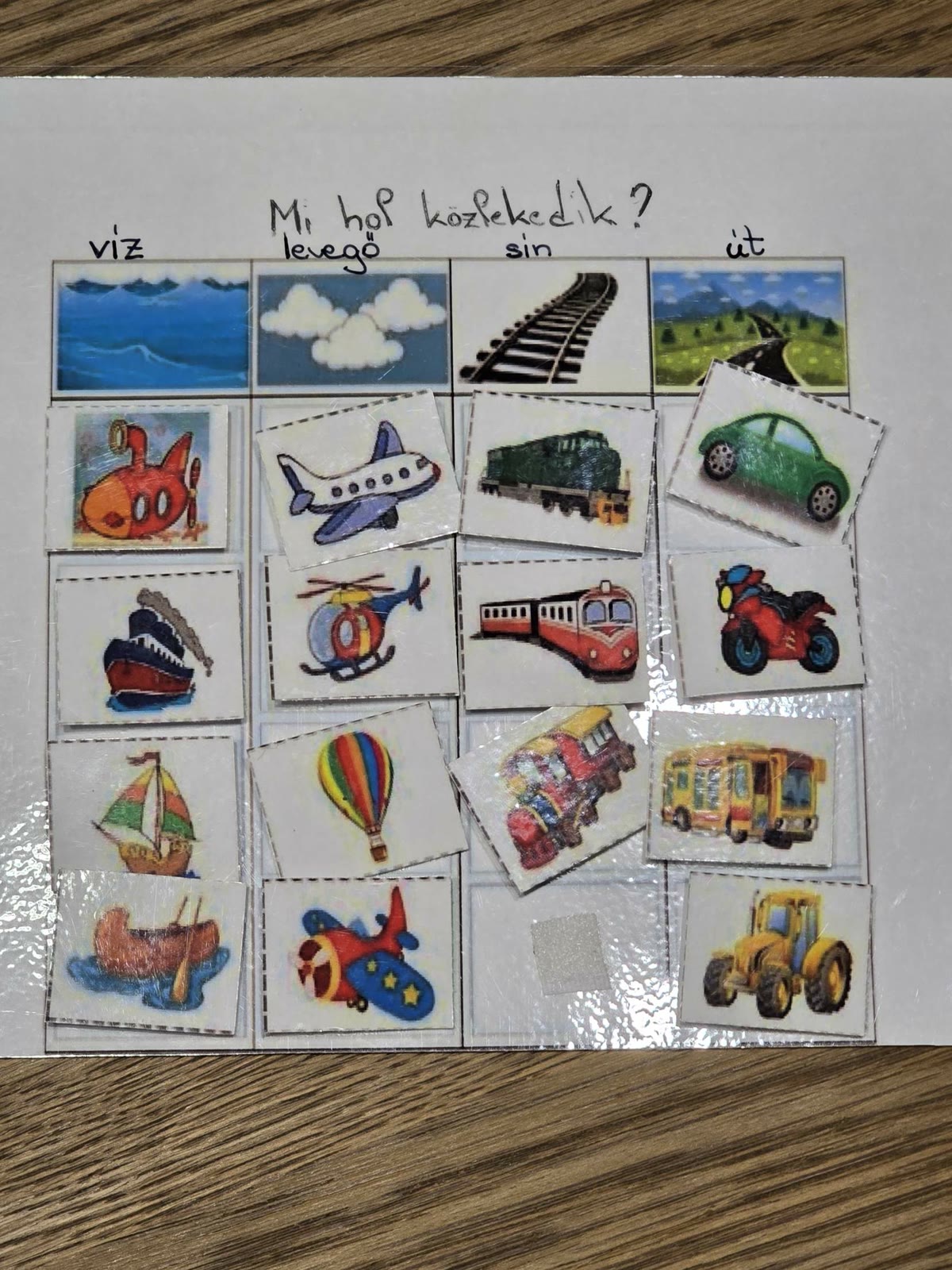
No expensive therapy toys needed. We made these ourselves, and we’ll show you how.
Free guide
Community
A private Facebook group for parents: questions, experiences and a monthly live chat with Lídia. [Membership terms – later.]
JoinAfter every purchase, 10% of revenue goes to foundation(s) supporting autistic and disabled people. The beneficiary is being chosen, for example the Fény Felé Foundation in Debrecen.
No. Lídia shares her experience as a parent and her behaviour-consultant knowledge in a practical form. We don’t diagnose or treat: we help you make time at home planned and measurable. It complements doctors, special-education teachers and therapists; it doesn’t replace them.
Mainly parents of 2–12-year-old children who are autistic or whose speech development has stalled. The measuring method works at any age; we adapt the tasks to the child.
No. If you are on a waiting list or only suspect something, you can still start the daily routine and measuring. Diagnosis is a medical task we can’t help with.
We get to know each other, you tell us where your child is now and what the biggest difficulty is. At the end we tell you honestly whether and how we can help. No obligation, no sales pressure.
Yes, every session is online via Google Meet, so you can join from anywhere. Most of the work happens at your home anyway.
15–20 minutes is enough to start: a 1-minute measurement and a few minutes of practice. For us this grew to about 1–1.5 hours a day over the years. Regularity matters more than length.
Very common – it’s how we started too. We begin with short tasks that bring success, rewards that truly matter to the child, and build up time gradually. We discuss this in detail on the first call.
With a 1-minute daily measurement and a simple chart. Within a few weeks you see whether the plan works. If not, we change the plan, not blame the child.
A printer, laminating pouches (or wide clear tape), Velcro dots, scissors, coloured pencils and a timer or phone. No expensive therapy toys needed.
The intro call is free. Prices for paid sessions are listed above; payment is due before the session and you receive an invoice.
If after the first paid session you feel you didn’t get useful help, tell us and we refund it. No questions asked.
We only ask what the session truly needs. Health information about your child is handled only with your explicit consent and never shared. Details in the privacy notice.
Start with a free 20-minute intro call. If you want to continue, the 60-minute session is paid in advance with a short questionnaire first. If the first paid session wasn’t useful, we refund it.
Questions? Write to us, we usually reply within a day.
Choose which call you’d like to book:
Free 20-minute intro call 60-minute session – book and payCard payment, invoice by email. Free cancellation up to 24 hours before.
Tool packs and a parent club for institutions. We’re looking for one kindergarten for a pilot – get in touch.
Lídia shares her experience as a parent and her behaviour-consultant knowledge. This is not therapy or diagnosis and does not replace a special-education teacher or doctor.